


Introduction:
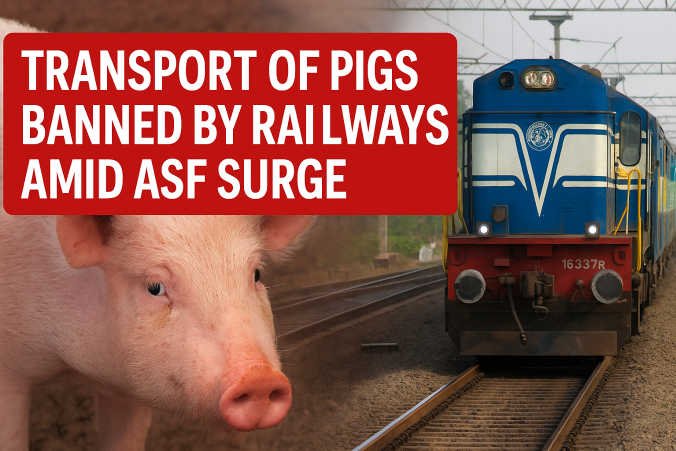
In a significant step to contain the outbreak of African Swine Fever (ASF), Indian Railways has imposed a temporary ban on the transportation of pigs through the railway network across Assam. The decision comes in response to a surge in ASF cases across multiple districts in the state, triggering concerns among pig farmers, meat suppliers, and public health officials alike. As of now, 28 containment zones have been declared in 11 districts, making the crisis one of the most pressing in Assam’s livestock sector in recent times.
What is African Swine Fever?
ASF is a highly contagious viral disease that affects domestic and wild pigs. While not harmful to humans, the disease spreads rapidly among pig populations, often leading to 100% mortality rates. It causes internal bleeding, fever, vomiting, and ultimately death in infected pigs. Since there is no vaccine or cure available yet, containment through quarantine, culling, and movement restrictions remains the only effective control strategy.
The Immediate Trigger
The ban on pig transport via railways was enforced after numerous ASF cases were reported from various parts of Assam, particularly in pig-rearing zones of Kokrajhar, Dhubri, Darrang, Barpeta, and Kamrup. Veterinary teams confirmed infections through rapid testing, prompting state authorities to escalate biosecurity measures.
It has been observed that the virus likely spreads through direct contact with infected pigs, contaminated feed, or even farm equipment. Transporting infected animals from one area to another significantly heightens the risk of wider outbreaks.
Railways’ Role in Mitigating Spread
Following consultations between the Ministry of Railways, the Animal Husbandry & Veterinary Department, and the North East Frontier Railway (NFR), it was decided that train-based pig transport will remain suspended until further notice. The goal is to prevent the accidental or intentional movement of ASF-infected pigs into uninfected regions.
By cutting off inter-district railway movement of pigs, authorities aim to break the chain of viral transmission. This is especially crucial in a state like Assam, where pig farming is a major livelihood source for thousands of rural families.
A railway official stated, “This temporary ban is a precautionary measure to protect livestock-based livelihoods and to assist veterinary authorities in their containment efforts.”
Road Transport: Permitted with Caution
Unlike railway movement, road transport of pigs is still permitted, albeit under a newly issued Standard Operating Procedure (SOP). The SOP outlines:
- Only clinically healthy pigs can be transported
- Transporters must carry valid veterinary health certificates
- Disinfection of vehicles before and after transportation is mandatory
- Movement is restricted only within non-infected zones
Strict checks are being conducted at district borders to ensure compliance. Those found violating the SOP could face legal consequences, including seizure of livestock and monetary penalties.
Economic Impact on Pig Farmers
The pig farming sector in Assam, valued at over ₹1,000 crore annually, is facing tremendous stress. With movement restricted and culling underway in infected zones, hundreds of small farmers are witnessing heavy losses. Many have demanded immediate government compensation, disease monitoring support, and alternative market access to avoid financial collapse.
Several cooperative societies and local NGOs have appealed to the Animal Husbandry Ministry to set up temporary buyback or relief mechanisms for affected pig farmers.
Government Response and Preparedness
The Assam government has activated emergency veterinary teams across the 11 affected districts. So far:
- ASF containment zones have been notified and cordoned off
- Disinfection drives are being conducted in infected villages
- Farmers are being advised not to buy or sell pigs without official permission
- Awareness campaigns have been launched in local languages
- Hotlines have been set up for pig owners to report symptoms or deaths
The Animal Husbandry & Veterinary Department has assured that surveillance will continue, and more areas may be added to the ban list if the situation worsens.
Health and Food Safety Concerns
While ASF does not infect humans, the virus’s presence in the ecosystem can lead to market panic and false health alarms. Authorities have reassured the public that ASF does not impact pork quality in non-affected areas and that consuming well-cooked pork remains safe.
However, as a precaution, pork markets in some affected towns have been temporarily closed. Consumers are being advised to purchase pork only from verified sources and to follow basic hygiene practices during handling and cooking.
Conclusion
The ASF outbreak in Assam has once again highlighted the fragility of rural livestock systems and the need for robust animal disease surveillance. While the railway ban on pig transport may seem drastic, it is a necessary move to prevent large-scale devastation of the pig farming economy.
As government agencies, veterinary teams, and local communities work together, it remains critical to stay vigilant, follow health protocols, and support affected farmers through both financial and institutional mechanisms.